
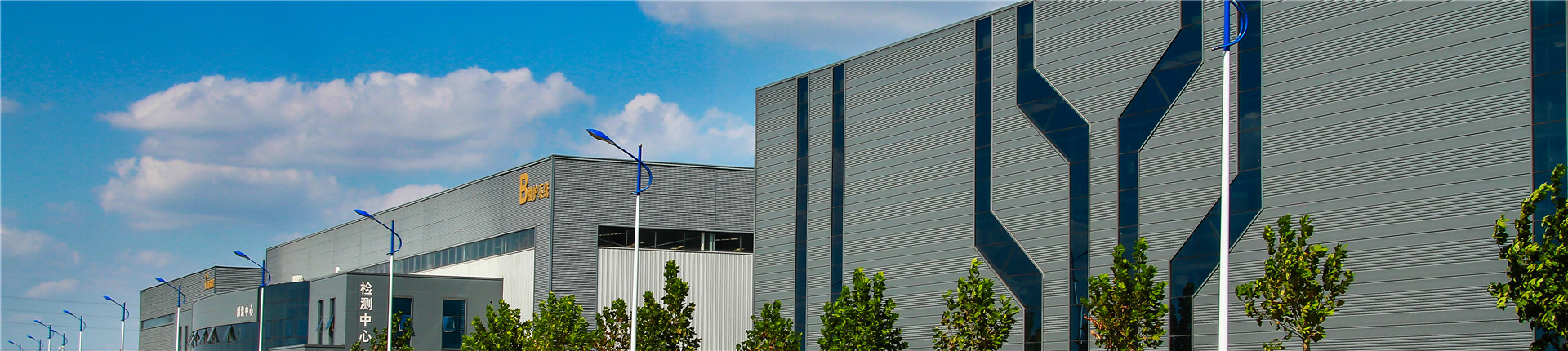
Việc lựa chọn tấm panel sandwich cho một tòa nhà công nghiệp nên bắt đầu từ các yêu cầu thực tế của tòa nhà thay vì chỉ dựa vào giá của tấm panel. Cần phải xem xét tất cả các yếu tố như an toàn phòng cháy chữa cháy, cách nhiệt, khả năng chống chịu thời tiết, công năng của tòa nhà, khí hậu địa phương, độ dày của tấm panel và các yêu cầu lắp đặt.
Đối với hầu hết các dự án công nghiệp, quyết định đầu tiên thường là loại lõi cách nhiệt: bông khoáng (rock wool) hoặc PIR.
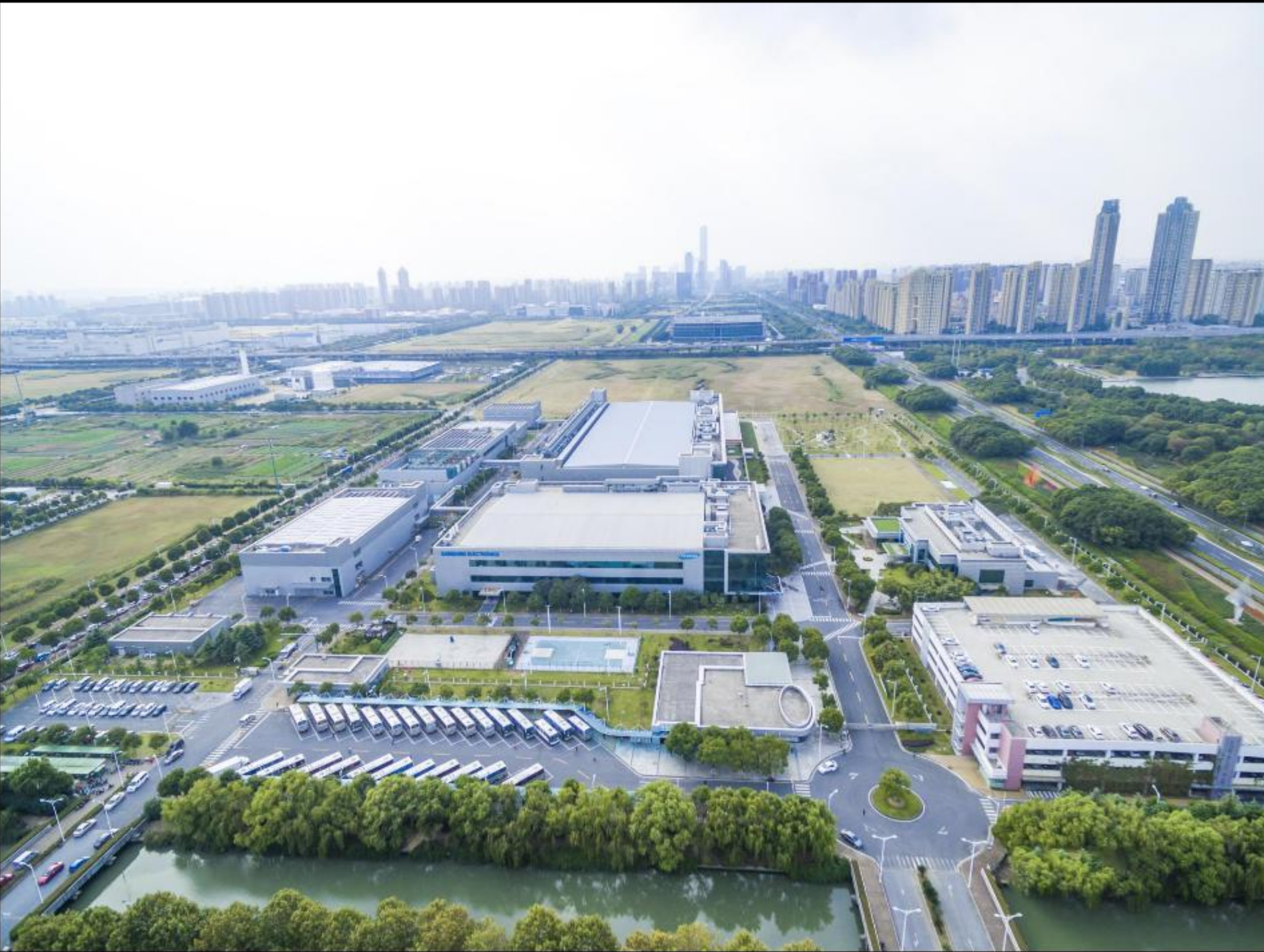
Các tòa nhà công nghiệp khác nhau có những yêu cầu khác nhau.
Một xưởng sản xuất thông thường có thể chủ yếu yêu cầu khả năng chống chịu thời tiết và cách nhiệt. Một cơ sở kho lạnh đòi hỏi hiệu suất kiểm soát nhiệt độ nghiêm ngặt hơn nhiều. Một cơ sở dược phẩm hoặc chế biến thực phẩm có thể có thêm các yêu cầu về vệ sinh và phòng sạch.
Ví dụ:
Nhà kho: cách nhiệt và chống chịu thời tiết
Nhà máy sản xuất: cách nhiệt, độ bền, yêu cầu phòng cháy chữa cháy và hiệu quả lắp đặt
Kho lạnh: cách nhiệt cao và các mối nối kín khí
Nhà máy chế biến thực phẩm: cách nhiệt, vệ sinh, khả năng làm sạch và kiểm soát nhiệt độ
Phòng sạch: môi trường bên trong được kiểm soát và các bề mặt nội thất phù hợp
Do đó, việc hiểu rõ công năng của tòa nhà nên được thực hiện trước khi chọn tấm panel.
Tấm panel sandwich bông khoáng sử dụng len khoáng làm lõi cách nhiệt.
Chúng thường được cân nhắc cho các tòa nhà công nghiệp nơi khả năng chống cháy là yêu cầu thiết kế chính. Bông khoáng cũng cung cấp các đặc tính cách âm, có thể hữu ích trong môi trường sản xuất.
Tấm panel sandwich PIR sử dụng vật liệu cách nhiệt polyisocyanurate.
Chúng được sử dụng rộng rãi ở những nơi mà cách nhiệt là ưu tiên hàng đầu, bao gồm kho lạnh, chế biến thực phẩm, cơ sở dược phẩm và các tòa nhà được kiểm soát nhiệt độ.
Việc lựa chọn nên dựa trên các yêu cầu kỹ thuật của dự án và các quy định hiện hành thay vì chỉ đơn thuần so sánh giá cả giữa hai loại vật liệu này.
Một tấm panel dày hơn không tự động có nghĩa đó là giải pháp đúng đắn.
Độ dày cần thiết phụ thuộc vào các yếu tố như:
Chênh lệch nhiệt độ trong nhà và ngoài trời
Khí hậu địa phương
Hiệu suất nhiệt yêu cầu
Công năng của tòa nhà
Yêu cầu về sưởi ấm và làm mát
Các tiêu chuẩn xây dựng hiện hành
Ví dụ, đối với một dự án kho lạnh, các yêu cầu về nhiệt có thể khác biệt đáng kể so với các yêu cầu của một nhà kho thông thường.
Một hệ thống tấm panel sandwich cần nhiều hơn là một lõi cách nhiệt tốt.
Mối nối tấm panel ảnh hưởng đến độ kín khí, khả năng chống nước, việc lắp đặt và tính liên tục của lớp vỏ bao che công trình.
Đối với các dự án tiếp xúc với mưa lớn hoặc gió mạnh, các nhà thiết kế cần đặc biệt chú ý đến các kết nối tấm panel, ốc vít, chi tiết mái-tường, góc, khe hở và tấm ốp che chắn (flashing).
Các tấm panel tường và tấm panel mái hoạt động trong các điều kiện khác nhau.
Các tấm panel mái tiếp xúc trực tiếp với mưa, bức xạ mặt trời, gió và các tải trọng môi trường khác. Do đó, cấu hình tấm panel mái, thiết kế thoát nước, nhịp tấm panel, phương pháp cố định và các mối nối mái đòi hỏi sự cân nhắc cụ thể.
Wiskind cung cấp các giải pháp tấm panel mái cách nhiệt như một phần trong danh mục sản phẩm vỏ bao che công trình của mình, cho phép các hệ thống tường và mái được xem xét cùng nhau trong quá trình lập kế hoạch dự án.
Năng lực sản xuất của nhà cung cấp cũng là một yếu tố quan trọng cần cân nhắc.
Một nhà sản xuất tấm panel sandwich cần có khả năng cung cấp chất lượng sản xuất ổn định, thông số kỹ thuật tấm panel phù hợp, phụ kiện tương thích và hỗ trợ kỹ thuật cho việc lắp đặt và thiết kế hệ thống.
Wiskind có kinh nghiệm dày dặn trong các ứng dụng vỏ bao che công trình công nghiệp và cung cấp các tấm panel sandwich bông khoáng (rock wool) và PIR cùng với các giải pháp mái và tường liên quan.
| Loại dự án | Cân nhắc chung |
|---|---|
| Nhà kho thông thường | Cách nhiệt + chống chịu thời tiết |
| Nhà máy sản xuất | Cách nhiệt + yêu cầu phòng cháy + độ bền |
| Kho lạnh | Cách nhiệt cao + độ kín khí |
| Chế biến thực phẩm | Hiệu suất nhiệt + vệ sinh |
| Cơ sở dược phẩm | Hiệu suất nhiệt + môi trường kiểm soát |
| Cơ sở công nghiệp chú trọng phòng cháy | Hệ thống dựa trên bông khoáng (rock wool) |
| Cơ sở công nghiệp tiết kiệm năng lượng | Hệ thống dựa trên PIR |
Không có loại tấm panel sandwich vạn năng nào phù hợp cho mọi tòa nhà công nghiệp. Giải pháp đúng đắn phụ thuộc vào chức năng, khí hậu, quy định, yêu cầu nhiệt và điều kiện lắp đặt của tòa nhà.
Một nhà sản xuất vỏ bao che công trình chuyên nghiệp có thể giúp kết hợp loại tấm panel, độ dày, cấu hình mối nối và phụ kiện phù hợp với dự án cụ thể.
xin vui lòng đọc tiếp, ở lại đăng, đăng ký, và chúng tôi hoan nghênh bạn cho chúng tôi biết những gì bạn nghĩ.




 dịch vụ trực tuyến
 +86-153 1435 3017
 market@wiskind.com
 +86-153 1435 3017
 Việt
Việt English
 русский
 español
 العربية
 日本語
日本語 한국의
한국의 ไทย
ไทย Indonesia
 українська